Ya está en marcha el blog que dedicaré al seguimiento de las elección presidencial de 2016. Allí nos vemos.
http://enel16.blogspot.com
lunes, 17 de junio de 2013

domingo, 16 de junio de 2013
jueves, 8 de noviembre de 2012
Un vistazo a 2016
El último post del blog por este año es un anticipo del nuevo blog que si no hay novedades inauguraré en 2014 para empezar el seguimiento de las elecciones de 2016.
He elaborado una lista de potenciales candidatos presidenciales, demócratas y republicanos, clasificados en tres escalones por su nombre, cargo, antecedentes, contactos, acceso a donantes, exposición mediática, etc.
En el primer escalón van los front-runners. Los favoritos que normalmente terminan ganando.
En el segundo van aquellos que sin tener tanto peso en la actualidad tienen, por diferentes razones, potencial para subir al primer escalón durante o incluso antes de 2016. Por ejemplo, el propio Romney antes de 2008 estaba en este escalón y su buen hacer le permitió disputarle la nominación a los que estaban en el primero (McCain y Giuliani); no ganó pero la experiencia le hizo situarse en el primer escalón para 2012.
En el tercer escalón van aquellos que son grandes desconocidos en el circuito mediático de Washington, DC o entre el público en general y que les queda por hacer algo más antes de aspirar a la Presidencia, pero que tienen sus seguidores dentro del partido y entre los expertos. A veces, con un poco de suerte, terminan ganando al primer intento. Por ejemplo, Bill Clinton en 1992. Otras veces no ganan pero se posicionan de cara al futuro. Por ejemplo, Mike Huckabee en 2008 empezó en el tercer escalón pero su buen hacer en esa campaña le hubiera situado en el primer escalón en 2012 si hubiera decidido volver a presentarse.
En un escalón especial que he llamado "resucitados" he metido a viejos conocidos que pueden hacer un comeback no esperado en el momento más sorprendente, como el de Gingrich en las primarias republicanas de este año después de una década apartado de la política o el de Santorum después de haber sido derrotado en unas elecciones al Senado.
Se aceptan apuestas y nuevos nombres.
Demócratas

1º escalón
Hillary Clinton - Secretaria de Estado de EEUU.
Joe Biden - Vicepresidente de EEUU.
Andrew Cuomo - Gobernador de Nueva York.
2º escalón
Martin O'Malley - Gobernador de Maryland.
Elizabeth Warren - Senadora por Massachusetts.
Rahm Emanuel - Alcalde de Chicago.
Mark Warner - Senador por Virginia.
Janet Napolitano - Secretaria de Seguridad Nacional de EEUU.
3º escalón
Deval Patrick - Gobernador de Massachusetts.
Brian Schweitzer - Gobernador de Montana.
John Hickenlooper - Gobernador de Colorado.
Kristen Gillibrand - Senadora por Nueva York.
Amy Klobuchard - Senadora por Minnesota.
Claire McCaskill - Senadora por Missouri.
Jim Webb - Senador por Virginia.
Sherrod Brown - Senador por Ohio.
Susan Rice - Embajadora de EEUU en la ONU.
Michael Bennett - Senador por Colorado.
John Lynch - Gobernador de New Hampshire.
Tom Udall - Senador por New Mexico.
Antonio Villaraigosa - Alcalde de Los Angeles.
Julián Castro - Alcalde de San Antonio.
Corey Booker - Alcalde de Newark.
Xavier Becerra - Congresista por California.
Resucitados
Russ Feingold - Ex Senador por Wisconsin.
Howard Dean - Ex Gobernador de Vermont.
Al Gore - Ex Vicepresidente de EEUU.
Evan Bayh - Ex Senador por Indiana.
Bill Richardson - Ex Gobernador de New Mexico.
Jerry Brown - Gobernador de California.
Alan Grayson - Congresista por Florida.
And last but not least,
Dennis Kucinich - Congresista por Ohio.
Republicanos

1º escalón
Jeb Bush - Ex Gobernador de Florida.
Marco Rubio - Senador por Florida.
Chris Christie - Gobernador de New Jersey.
Paul Ryan - Congresista por Wisconsin.
2º escalón
Rick Santorum - Ex Senador por Pennsylvania.
Scott Walker - Gobernador de Wisconsin.
Bobby Jindal - Gobernador de Louisiana.
Susana Martínez - Gobernadora de New Mexico.
John Kasich - Gobernador de Ohio.
Bob McDonnell - Gobernador de Virginia.
Rand Paul - Senador por Kentucky.
David Petraeus - General retirado, director de la CIA.
Mike Pence - Gobernador de Indiana.
John Thune - Senador por Dakota del Sur.
Rob Portman - Senador por Ohio.
Condoleezza Rice - Ex Secretaria de Estado de EEUU.
Jon Huntsman - Ex Gobernador de Utah.
Tim Pawlenty - Ex Gobernador de Minnesota.
3º escalón
Ted Cruz - Senador por Texas.
Bill Haslam - Gobernador de Tennessee.
Luis Fortuño - Gobernador de Puerto Rico.
Nikki Haley - Gobernadora de Carolina del Sur.
Brian Sandoval - Gobernador de Nevada.
Fred Smith - CEO de FedEx.
Pat Toomey - Senador por Pennsylvania.
Kelly Ayotte - Senadora por New Hampshire.
Jan Brewer - Gobernadora de Arizona
Sam Graves - Congresista por Missouri.
Ken Cuccinnelli - Fiscal General de Virginia.
Eric Cantor - Congresista por Virginia.
Jeff Flake - Senador por Arizona.
Resucitados
Mike Huckabee - Ex Gobernador de Arkansas.
Sarah Palin - Ex Gobernadora de Alaska.
Rick Perry - Gobernador de Texas.
Sam Brownback - Gobernador de Kansas.
Mark Sanford - Ex Gobernador de Carolina del Sur.
Allen West - Congresista por Florida (derrotado el martes).
And last but not least,
Thaddeus McCotter - Ex Congresista por Michigan.
He elaborado una lista de potenciales candidatos presidenciales, demócratas y republicanos, clasificados en tres escalones por su nombre, cargo, antecedentes, contactos, acceso a donantes, exposición mediática, etc.
En el primer escalón van los front-runners. Los favoritos que normalmente terminan ganando.
En el segundo van aquellos que sin tener tanto peso en la actualidad tienen, por diferentes razones, potencial para subir al primer escalón durante o incluso antes de 2016. Por ejemplo, el propio Romney antes de 2008 estaba en este escalón y su buen hacer le permitió disputarle la nominación a los que estaban en el primero (McCain y Giuliani); no ganó pero la experiencia le hizo situarse en el primer escalón para 2012.
En el tercer escalón van aquellos que son grandes desconocidos en el circuito mediático de Washington, DC o entre el público en general y que les queda por hacer algo más antes de aspirar a la Presidencia, pero que tienen sus seguidores dentro del partido y entre los expertos. A veces, con un poco de suerte, terminan ganando al primer intento. Por ejemplo, Bill Clinton en 1992. Otras veces no ganan pero se posicionan de cara al futuro. Por ejemplo, Mike Huckabee en 2008 empezó en el tercer escalón pero su buen hacer en esa campaña le hubiera situado en el primer escalón en 2012 si hubiera decidido volver a presentarse.
En un escalón especial que he llamado "resucitados" he metido a viejos conocidos que pueden hacer un comeback no esperado en el momento más sorprendente, como el de Gingrich en las primarias republicanas de este año después de una década apartado de la política o el de Santorum después de haber sido derrotado en unas elecciones al Senado.
Se aceptan apuestas y nuevos nombres.
Demócratas
1º escalón
Hillary Clinton - Secretaria de Estado de EEUU.
Joe Biden - Vicepresidente de EEUU.
Andrew Cuomo - Gobernador de Nueva York.
2º escalón
Martin O'Malley - Gobernador de Maryland.
Elizabeth Warren - Senadora por Massachusetts.
Rahm Emanuel - Alcalde de Chicago.
Mark Warner - Senador por Virginia.
Janet Napolitano - Secretaria de Seguridad Nacional de EEUU.
3º escalón
Deval Patrick - Gobernador de Massachusetts.
Brian Schweitzer - Gobernador de Montana.
John Hickenlooper - Gobernador de Colorado.
Kristen Gillibrand - Senadora por Nueva York.
Amy Klobuchard - Senadora por Minnesota.
Claire McCaskill - Senadora por Missouri.
Jim Webb - Senador por Virginia.
Sherrod Brown - Senador por Ohio.
Susan Rice - Embajadora de EEUU en la ONU.
Michael Bennett - Senador por Colorado.
John Lynch - Gobernador de New Hampshire.
Tom Udall - Senador por New Mexico.
Antonio Villaraigosa - Alcalde de Los Angeles.
Julián Castro - Alcalde de San Antonio.
Corey Booker - Alcalde de Newark.
Xavier Becerra - Congresista por California.
Resucitados
Russ Feingold - Ex Senador por Wisconsin.
Howard Dean - Ex Gobernador de Vermont.
Al Gore - Ex Vicepresidente de EEUU.
Evan Bayh - Ex Senador por Indiana.
Bill Richardson - Ex Gobernador de New Mexico.
Jerry Brown - Gobernador de California.
Alan Grayson - Congresista por Florida.
And last but not least,
Dennis Kucinich - Congresista por Ohio.
Republicanos
1º escalón
Jeb Bush - Ex Gobernador de Florida.
Marco Rubio - Senador por Florida.
Chris Christie - Gobernador de New Jersey.
Paul Ryan - Congresista por Wisconsin.
2º escalón
Rick Santorum - Ex Senador por Pennsylvania.
Scott Walker - Gobernador de Wisconsin.
Bobby Jindal - Gobernador de Louisiana.
Susana Martínez - Gobernadora de New Mexico.
John Kasich - Gobernador de Ohio.
Bob McDonnell - Gobernador de Virginia.
Rand Paul - Senador por Kentucky.
David Petraeus - General retirado, director de la CIA.
Mike Pence - Gobernador de Indiana.
John Thune - Senador por Dakota del Sur.
Rob Portman - Senador por Ohio.
Condoleezza Rice - Ex Secretaria de Estado de EEUU.
Jon Huntsman - Ex Gobernador de Utah.
Tim Pawlenty - Ex Gobernador de Minnesota.
3º escalón
Ted Cruz - Senador por Texas.
Bill Haslam - Gobernador de Tennessee.
Luis Fortuño - Gobernador de Puerto Rico.
Nikki Haley - Gobernadora de Carolina del Sur.
Brian Sandoval - Gobernador de Nevada.
Fred Smith - CEO de FedEx.
Pat Toomey - Senador por Pennsylvania.
Kelly Ayotte - Senadora por New Hampshire.
Jan Brewer - Gobernadora de Arizona
Sam Graves - Congresista por Missouri.
Ken Cuccinnelli - Fiscal General de Virginia.
Eric Cantor - Congresista por Virginia.
Jeff Flake - Senador por Arizona.
Resucitados
Mike Huckabee - Ex Gobernador de Arkansas.
Sarah Palin - Ex Gobernadora de Alaska.
Rick Perry - Gobernador de Texas.
Sam Brownback - Gobernador de Kansas.
Mark Sanford - Ex Gobernador de Carolina del Sur.
Allen West - Congresista por Florida (derrotado el martes).
And last but not least,
Thaddeus McCotter - Ex Congresista por Michigan.
Actualización de resultados
Presidenciales,
En votos electorales la cosa sigue igual (303 - 206) a falta de adjudicar los 29 votos electorales de Florida, donde falta por contar el voto por correo en nueve condados.
En voto popular,
Obama (D) 60,662,601 votos (50%)
Romney (R) 57,821,399 votos (48%)
A pesar del crecimiento de la población, Obama ha perdido 9 millones de votos en cuatro años - en 2008 recibió 69,456,897 votos. Pero Romney no se ha aprovechado de la circunstancia porque ha movilizado menos votos que McCain - McCain en 2008 recibió 59,934,814 votos. Muchos votantes no ideologizados pero decepcionados con Obama no han encontrado la motivación para ir a votar a Romney.
La misma dinámica se ha repetido en algunos grandes estados indecisos. Obama ha perdido unos 255,000 votos en Ohio - en 2008 recibió 2,940,444 votos y este año ha recibido 2,683,691 (en 2004 Kerry perdió el estado recibiendo ¡¡2,729,952 votos!!). Sin embargo, en el bando republicano tampoco se ha registrado la intensidad esperada - Romney ha recibido 2,582,939 votos, unos 95,000 menos que McCain en 2008 que recibió 2,677,820.
A nivel nacional, Romney ha ganado el voto blanco por 18 puntos (58%-40%). Pero la brecha de género lo ha condenado. De haber ganado el voto de las mujeres blancas, se hubiese llevado los estados blancos de Ohio, Wisconsin, Pennsylvania y New Hampshire, pero Obama ha mantenido su ventaja de 12 puntos de 2008 entre las mujeres a nivel nacional.
Romney ha ganado los independientes por 10 puntos en Ohio y por 12 puntos en Virginia, pero este año los independientes han sido una parte más pequeña del electorado. La desmotivación para votar ha sido especialmente grande entre los independientes en un año en el que la desmotivación parece haber sido generalizada en todos los grupos.
El buen rendimiento de Obama en Florida se ha debido a que ha mejorado sus números entre los hispanos - 57%-42% en 2008 y 60%-39% este año.
En la Cámara de Representantes,
233 escaños republicanos.
192 escaños demócratas.
Faltan por adjudicar 10 escaños que no cambiarán el equilibrio de poder porque el mínimo necesario para tener mayoría en esta cámara está en los 218.
En el Senado,
El Senador demócrata John Tester ha logrado la reelección por 18,000 votos en Montana.
En Dakota del Norte, la demócrata Heidi Heitkamp ha ganado contra pronóstico un escaño en el Senado por solo 3,000 votos para suceder al también demócrata Kent Conrad.
Son dos victorias inesperadas para los demócratas ya que en la contienda presidencial estos dos estados votaron por Romney por un margen de 13 y 20 puntos, respectivamente.
El Senado de 100 miembros quedaría con 53 demócratas, 45 republicanos y 2 independientes (uno socialista, el otro un posibilista imprevisible).
En Gobernadores,
Este año había elecciones a Gobernador en 11 estados de la Unión.
Los demócratas han ganado en 6 estados que ya gobernaban (New Hampshire, Vermont, Delaware, Virginia Occidental, Missouri y Montana) y han perdido uno que gobernaban hasta ahora (Carolina del Norte).
Los republicanos han ganado en tres estados que ya gobernaban (Indiana, Dakota del Norte y Utah) y han arrebatado a los demócratas la gobernación de Carolina del Norte.
Sigue sin haber ganador en el estado de Washington, hasta ahora gobernado por los demócratas. El candidato demócrata gana por 45,000 votos (un 2%) con el 55% escrutado.
A falta de conocer el resultado final en Washington, los republicanos gobernarán 30 estados, los demócratas 18 estados, y seguirá habiendo un Gobernador independiente en Rhose Island.
En votos electorales la cosa sigue igual (303 - 206) a falta de adjudicar los 29 votos electorales de Florida, donde falta por contar el voto por correo en nueve condados.
En voto popular,
Obama (D) 60,662,601 votos (50%)
Romney (R) 57,821,399 votos (48%)
A pesar del crecimiento de la población, Obama ha perdido 9 millones de votos en cuatro años - en 2008 recibió 69,456,897 votos. Pero Romney no se ha aprovechado de la circunstancia porque ha movilizado menos votos que McCain - McCain en 2008 recibió 59,934,814 votos. Muchos votantes no ideologizados pero decepcionados con Obama no han encontrado la motivación para ir a votar a Romney.
La misma dinámica se ha repetido en algunos grandes estados indecisos. Obama ha perdido unos 255,000 votos en Ohio - en 2008 recibió 2,940,444 votos y este año ha recibido 2,683,691 (en 2004 Kerry perdió el estado recibiendo ¡¡2,729,952 votos!!). Sin embargo, en el bando republicano tampoco se ha registrado la intensidad esperada - Romney ha recibido 2,582,939 votos, unos 95,000 menos que McCain en 2008 que recibió 2,677,820.
A nivel nacional, Romney ha ganado el voto blanco por 18 puntos (58%-40%). Pero la brecha de género lo ha condenado. De haber ganado el voto de las mujeres blancas, se hubiese llevado los estados blancos de Ohio, Wisconsin, Pennsylvania y New Hampshire, pero Obama ha mantenido su ventaja de 12 puntos de 2008 entre las mujeres a nivel nacional.
Romney ha ganado los independientes por 10 puntos en Ohio y por 12 puntos en Virginia, pero este año los independientes han sido una parte más pequeña del electorado. La desmotivación para votar ha sido especialmente grande entre los independientes en un año en el que la desmotivación parece haber sido generalizada en todos los grupos.
El buen rendimiento de Obama en Florida se ha debido a que ha mejorado sus números entre los hispanos - 57%-42% en 2008 y 60%-39% este año.
En la Cámara de Representantes,
233 escaños republicanos.
192 escaños demócratas.
Faltan por adjudicar 10 escaños que no cambiarán el equilibrio de poder porque el mínimo necesario para tener mayoría en esta cámara está en los 218.
En el Senado,
El Senador demócrata John Tester ha logrado la reelección por 18,000 votos en Montana.
En Dakota del Norte, la demócrata Heidi Heitkamp ha ganado contra pronóstico un escaño en el Senado por solo 3,000 votos para suceder al también demócrata Kent Conrad.
Son dos victorias inesperadas para los demócratas ya que en la contienda presidencial estos dos estados votaron por Romney por un margen de 13 y 20 puntos, respectivamente.
El Senado de 100 miembros quedaría con 53 demócratas, 45 republicanos y 2 independientes (uno socialista, el otro un posibilista imprevisible).
En Gobernadores,
Este año había elecciones a Gobernador en 11 estados de la Unión.
Los demócratas han ganado en 6 estados que ya gobernaban (New Hampshire, Vermont, Delaware, Virginia Occidental, Missouri y Montana) y han perdido uno que gobernaban hasta ahora (Carolina del Norte).
Los republicanos han ganado en tres estados que ya gobernaban (Indiana, Dakota del Norte y Utah) y han arrebatado a los demócratas la gobernación de Carolina del Norte.
Sigue sin haber ganador en el estado de Washington, hasta ahora gobernado por los demócratas. El candidato demócrata gana por 45,000 votos (un 2%) con el 55% escrutado.
A falta de conocer el resultado final en Washington, los republicanos gobernarán 30 estados, los demócratas 18 estados, y seguirá habiendo un Gobernador independiente en Rhose Island.
miércoles, 7 de noviembre de 2012
Cámara, Senado y Gobernadores
En la Cámara de Representantes,
El GOP lleva ganados 232 asientos y los demócratas 191. Faltan por adjudicar varios asientos pero la continuidad de la mayoría republicana está asegurada ya que se requieren 218 asientos para tener mayoría. Hasta ahora había 242 republicanos y 193 demócratas.
En el Senado,
Los demócratas tienen 51 sientos y los republcianos 46 a falta de adjuciarse dos asientos por Dakota del Norte y Montana, donde los demócratas lo están haciendo mejor de lo esperado.
Los republicanos han ganado un asiento en Nebraska pero han perdido tres en Maine, Massachusetts e Indiana, la principal sorpresa de la noche.
En Gobernadores,
Los republicanos han sumado un nuevo Gobernador en Carolina del Norte y han conservado la mansión del Gobernador en Indiana, Dakota del Norte y Utah. Los demócratas han perdido el gobierno de Carolina del Norte pero conservan New Hasmpshire, Vermont, Delaware, Virginia Occidental y Missouri.
Todavía no se han adjudicado las elecciones a Gobernador en Montana y Washington, estados actualmente gobernados por demócratas.
En total, el GOP tendría 30 Gobernadores, los demócratas 17 Gobernadores, 1 independiente y faltan 2 por adjudicar.
El GOP lleva ganados 232 asientos y los demócratas 191. Faltan por adjudicar varios asientos pero la continuidad de la mayoría republicana está asegurada ya que se requieren 218 asientos para tener mayoría. Hasta ahora había 242 republicanos y 193 demócratas.
En el Senado,
Los demócratas tienen 51 sientos y los republcianos 46 a falta de adjuciarse dos asientos por Dakota del Norte y Montana, donde los demócratas lo están haciendo mejor de lo esperado.
Los republicanos han ganado un asiento en Nebraska pero han perdido tres en Maine, Massachusetts e Indiana, la principal sorpresa de la noche.
En Gobernadores,
Los republicanos han sumado un nuevo Gobernador en Carolina del Norte y han conservado la mansión del Gobernador en Indiana, Dakota del Norte y Utah. Los demócratas han perdido el gobierno de Carolina del Norte pero conservan New Hasmpshire, Vermont, Delaware, Virginia Occidental y Missouri.
Todavía no se han adjudicado las elecciones a Gobernador en Montana y Washington, estados actualmente gobernados por demócratas.
En total, el GOP tendría 30 Gobernadores, los demócratas 17 Gobernadores, 1 independiente y faltan 2 por adjudicar.
Obama 303, Romney 206
Resultado en votos electorales,
Obama 303 votos electorales
Romney 206 votos electorales
Por estados,

Obama (25 estados + DC): Maine, New Hampshire, Vermont, Massachusetts, Connecticut, Nueva York, New Jersey, Delaware, Maryland, Pennsylvania, Virginia, Ohio, Michigan, Wisconsin, Illinois, Iowa, Minnesota, New Mexico, Colorado, Nevada, California, Oregon, Washington, Hawaii y Distrito de Columbia.
Romney (24 estados): Virginia Occidental, Carolina del Norte, Carolina del Sur, Tennessee, Georgia, Alabama, Mississippi, Arkansas, Kentucky, Indiana, Missouri, Texas, Oklahoma, Kansas, Nebraska, Dakota del Norte, Dakota del Sur, Wyoming, Idaho, Montana, Arizona, Louisiana, Utah y Alaska.
Sin adjudicar (1): Florida, donde Obama aventaja a Romney en medio punto.
En voto popular,
Obama 59,015,398 votos (50%).
Romney 56,652,406 votos (48%).
Obama 303 votos electorales
Romney 206 votos electorales
Por estados,

Obama (25 estados + DC): Maine, New Hampshire, Vermont, Massachusetts, Connecticut, Nueva York, New Jersey, Delaware, Maryland, Pennsylvania, Virginia, Ohio, Michigan, Wisconsin, Illinois, Iowa, Minnesota, New Mexico, Colorado, Nevada, California, Oregon, Washington, Hawaii y Distrito de Columbia.
Romney (24 estados): Virginia Occidental, Carolina del Norte, Carolina del Sur, Tennessee, Georgia, Alabama, Mississippi, Arkansas, Kentucky, Indiana, Missouri, Texas, Oklahoma, Kansas, Nebraska, Dakota del Norte, Dakota del Sur, Wyoming, Idaho, Montana, Arizona, Louisiana, Utah y Alaska.
Sin adjudicar (1): Florida, donde Obama aventaja a Romney en medio punto.
En voto popular,
Obama 59,015,398 votos (50%).
Romney 56,652,406 votos (48%).
martes, 6 de noviembre de 2012
Obama reelegido

De momento,
Obama 274 votos electorales.
Romney 201 votos electorales.
De los considerados estados indecisos, Obama se lleva New Hampshire, Pennsylvania, Michigan, Ohio, Wisconsin, Iowa y Minnesota.
Romney se lleva Carolina del Norte.
Quedan por adjudicar Florida, Virginia, Colorado y Nevada.
Lo más probable es que Obama se lleve también Virginia, Colorado y Nevada, y quede la duda de Florida.
En voto popular nacional ahora mismo: Romney 15,390,251 votos, Obama 15,042,121 votos.
Noche electoral
Es rarísimo que todavía no se hayan filtrado datos de (supuestos) sondeos a pie de urna. En 2004 en el descanso del partido de la Champions League ya estaban diciendo que Bush estaba perdiendo OH y FL.
Os voy a dejar aquí todo lo que necesitáis para seguir la noche electoral. Todo a un solo click.
En primer lugar, los horarios de cierre de los centros de votación en los diferentes estados.
Para ver la noche electoral por TV: CNN / Fox News / C-SPAN 1 / ABC / CBS / NBC
Seguimiento de los cuarteles generales de las campañas en CNN Live
Para seguir el escrutinio a nivel nacional, aquí y aquí.
Para seguir el escrutinio en los estados indecisos con mapas que incluyen el voto por condados:
- Florida
- Ohio
- Virginia
- Carolina del Norte
- New Hampshire
- Pennsylvania
- Wisconsin
- Iowa
- Colorado
- Michigan
- Minnesota
- Nevada
Recordad en qué condados hay que fijarse.
Para hacer vuestros cálculos con el mapa electoral: 270towin.
Para seguir en twitter a gente de la prensa (generalmente liberales), aquí.
Algunos analistas twitteros conservadores: Josh Jordan, Sean Davis, Adrian Gray, Robert Costa y Jennifer Rubin.
Yo andaré por aquí si necesitáis algo.
Multitudinario recibimiento a Romney en Pennsylvania
Aunque no tiene previsto hacer ningún rally, el Gobernador Romney se ha encontrado con los dos pisos del parking del aeropuerto abarrotados de seguidores a su llegada a las afueras de Pittsburgh, Pennsylvania.
Another photo of the parking garage packed with people twitter.com/dgjackson/stat…
— Mitt's Body Man (@dgjackson) noviembre 6, 2012
"That's when you know you're gonna win," says an emotional Romney, waving at the hundreds awaiting his PA arrival. twitter.com/AshleyRParker/…
— Ashley Parker(@AshleyRParker) noviembre 6, 2012
La democracia electróncia en acción (III)
Supuestamente este vídeo se ha grabado en un centro de votación de Pennsylvania. El votante pulsa Obama y la máquina marca Romney.
Los candidatos visitan a los voluntarios; todo listo en Chicago y Boston
Obama se ha unido a los voluntarios de su campaña en un local de Chicago para hacer llamadas a votantes de los estados indecisos. Romney-Ryan han hecho lo mismo en un suburbio de Cleveland.
Mientras tanto, el personal de mantenimiento está ultimando los detalles en el McCormick Place de Chicago y el Boston Convention and Exhibition Center.

(Foto: Reuters)

(Foto: Reuters)

(Foto: Reuters)
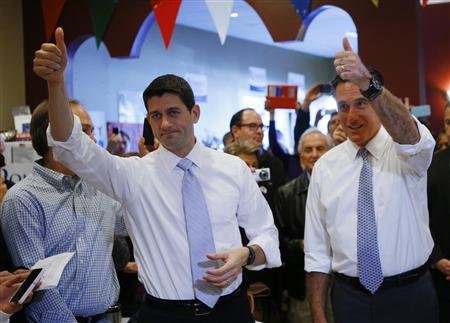
(Foto: Reuters)

(Foto: EPA)
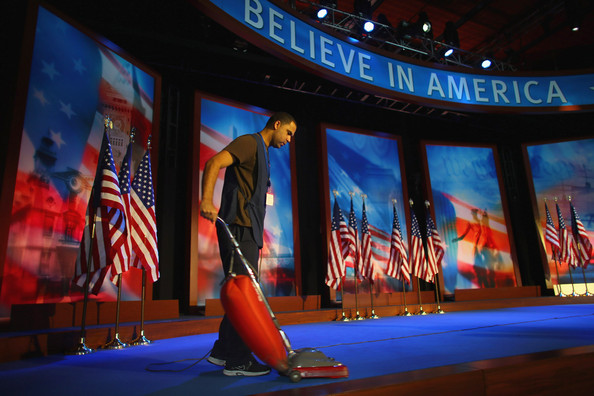
(Foto: Getty)
Mientras tanto, el personal de mantenimiento está ultimando los detalles en el McCormick Place de Chicago y el Boston Convention and Exhibition Center.
(Foto: Reuters)
(Foto: Reuters)
(Foto: Reuters)
(Foto: Reuters)
(Foto: EPA)
(Foto: Getty)
Biden haciendo cola
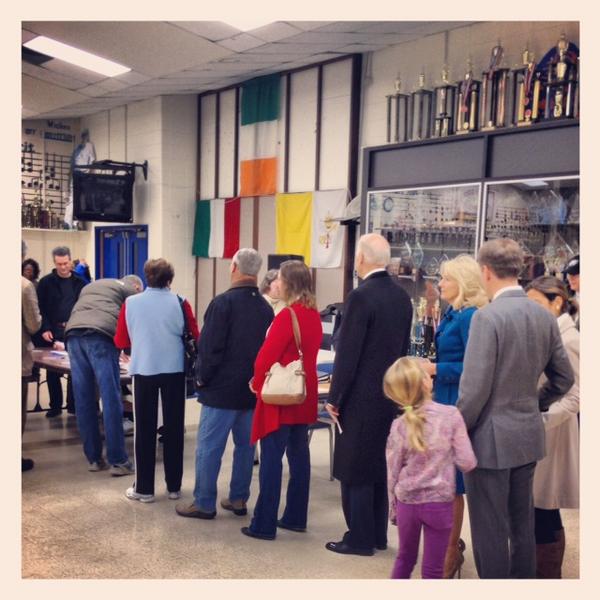
El Vicepresidente de los Estados Unidos haciendo cola como uno más para votar en Delaware.
Los centros de votación más extravagantes

En la imagen, un centro de votación montado en la cocina de una casa particular en Meridian, Oklahoma. Pertenece a una serie de fotografías realizadas por Michael Mergen en 2010 sobre los lugares de votación más inusuales, como casinos, pizzerías o funerarias. Podéis ver más fotos aquí.
Obama dando entrevistas a cadenas locales; Biden visita Cleveland
Surprise! Biden is wheels down in Cleveland, OH, for an unannounced stop before heading to Chicago for Election Night. #ohio #ohio #ohio
— Carrie Dann (@CarrieNBCNews) noviembre 6, 2012Pres Obama doing satellite TV interviews today with stations in Iowa (2), Wisconsin, Ohio (2), Florida (2), DC/Virginia, Colorado & Nevada.
— Mark Knoller (@markknoller) noviembre 6, 2012Votan los Romney
Los Romney han votado en Belmont, un suburbio de Boston en el ultraliberal condado de Middlesex, Massachusetts.
Los Obama votaron por anticipado.
Los Obama votaron por anticipado.
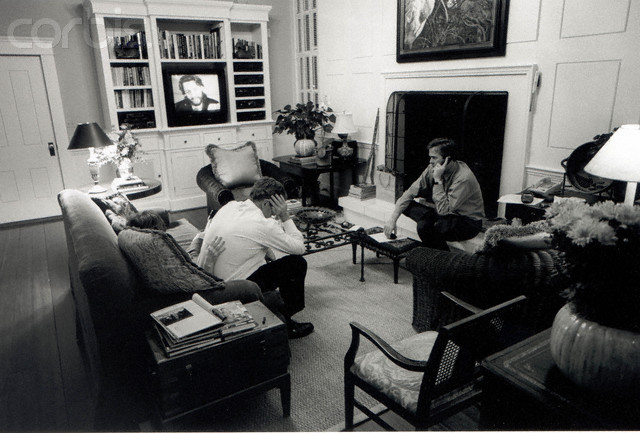
Ansiedad
(Foto: Corbis)
George W. y Laura Bush esperan resultados con gesto cansado en la mansión del Gobernador de Texas en Austin, la noche del 7 de noviembre de 2000. Jeb Bush habla por teléfono con Florida.
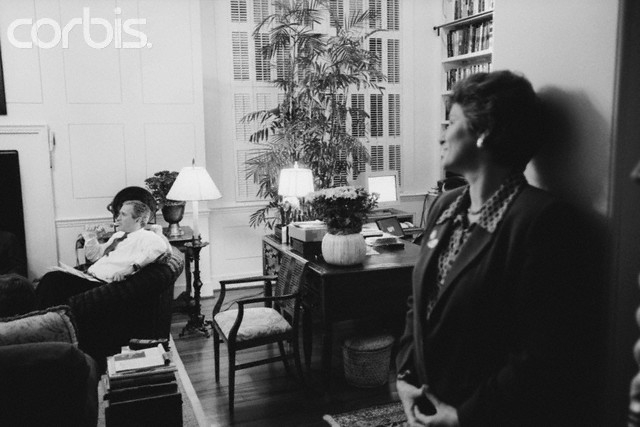
(Foto: Corbis)
Bush sigue los resultados por televisión mientras su directora de comunicaciones Karen Hughes le observa.
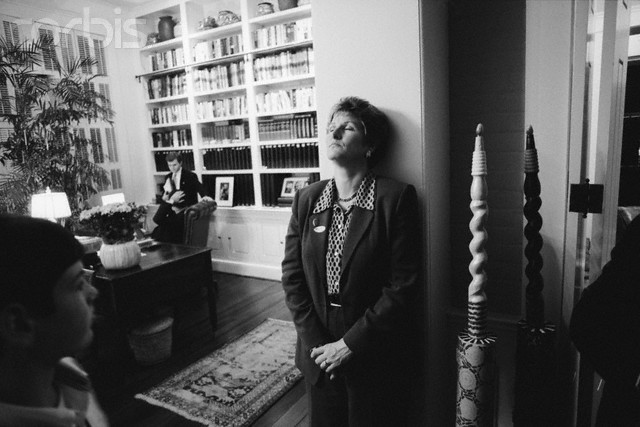
(Foto: Corbis)
Gesto de preocupación de Karen Hughes mientras avanza el escrutinio en Florida y la ventaja de Bush se estrecha a unos pocos cientos de votos. Su hijo también anda por ahí.
Encuestas finales de Rasmussen y Battleground Poll
Rasmussen: Romney 49%, Obama 48%
En 2004, Rasmussen pronosticó Bush 50.2%, Kerry 48.5% y el resultado final fue Bush 50.7%, Kerry 48.3%.
En 2008, Battleground Poll pronosticó Obama 52%, McCain 47%, y en 2004, Bush 50%, Kerry 46%.
La media de las últimas encuestas nacionales otorga a Obama una ventaja de medio punto si el electorado es D+5. Romney gana los independientes por 8 puntos.
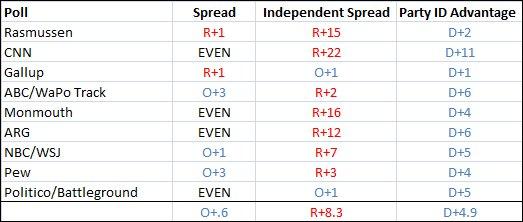
Hace cuatro años el electorado fue D+7 y Obama ganó por 7 puntos.
The final Rasmussen Reports daily Presidential Tracking Poll of Election 2012 shows Mitt Romney attracting support from 49% of voters nationwide, while President Obama earns the vote from 48%. Two percent (2%) prefer some other candidate.En 2008, Rasmussen pronosticó Obama 52%, McCain 46% y el resultado final fue Obama 52.9%, McCain 45.7%.
Both candidates are viewed favorably by 50% of voters nationwide.
When it comes to the economy, 50% trust Romney more, while 47% have more confidence in the president.
(...) Rasmussen Reports figures include both those who have already voted and those likely to vote. Among those who have already voted, 43% are Democrats and 33% Republican. Among those expected to vote today, 39% are Republican and 37% Democrat. Overall, 39% of voters are projected to be Democrats and 37% Republicans.
One key to the outcome on Election Day will be the racial and ethnic mix of the electorate. In 2008, approximately 74% of voters were white. Among those who have already voted, 67% are white. Among those expected to vote today, 77% are white.
En 2004, Rasmussen pronosticó Bush 50.2%, Kerry 48.5% y el resultado final fue Bush 50.7%, Kerry 48.3%.
En 2008, Battleground Poll pronosticó Obama 52%, McCain 47%, y en 2004, Bush 50%, Kerry 46%.
La media de las últimas encuestas nacionales otorga a Obama una ventaja de medio punto si el electorado es D+5. Romney gana los independientes por 8 puntos.
Hace cuatro años el electorado fue D+7 y Obama ganó por 7 puntos.
Suscribirse a:
Entradas (Atom)